
The world of corporate data management is currently witnessing a massive paradigm shift that is moving away from centralized databases toward a more secure and transparent architecture. For decades, large-scale enterprises have relied on siloed systems that are often prone to human error, security breaches, and inefficient reconciliation processes. However, the emergence of decentralized ledger technology is finally providing a robust answer to these age-old industrial challenges.
This technology does not just offer a new way to store data; it offers a fundamentally different way for multiple parties to reach a consensus on the truth without a middleman. In a global economy where trust is the most valuable currency, having a tamper-proof record of every transaction and agreement is a game-changer for competitive advantage. Companies are now realizing that decentralization can drastically reduce administrative overhead while simultaneously increasing the speed of cross-border operations.
This evolution is particularly crucial as supply chains become more complex and the need for real-time visibility becomes a standard requirement. By adopting these decentralized solutions, enterprises can ensure that their data remains immutable, accessible, and highly resilient against the threats of the modern digital age. This guide explores how these ledgers are being integrated into the core of global business to drive a new era of industrial efficiency.
Managing high-level corporate data requires a delicate balance between total security and high-speed accessibility. Decentralized ledgers provide the perfect framework to achieve both without compromising on performance.
The Fundamental Mechanics of Enterprise Ledgers

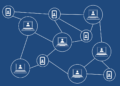
At its core, a decentralized ledger is a shared database that is synchronized across multiple sites, countries, or institutions. Unlike a traditional database, there is no central administrator who has total control over the information.
A. Consensus mechanisms ensure that every participant agrees on the validity of a transaction before it is recorded.
B. Cryptographic hashing creates a unique digital fingerprint for every block of data, making it impossible to alter past records.
C. Peer-to-peer networking allows for the direct exchange of value and information without relying on a central server.
D. Permissioned structures allow corporations to control who can view and validate data within their private network.
This structure eliminates the “single point of failure” that haunts traditional IT environments. Even if one part of the network is compromised, the rest of the ledger remains intact and accurate.
Enhancing Supply Chain Visibility and Traceability
One of the most immediate applications of this technology is in the management of complex global supply chains. Enterprises can now track a product from the raw material stage all the way to the final consumer with absolute certainty.
A. Real-time tracking of goods as they move across international borders and change hands between logistics providers.
B. Automated verification of certifications, such as organic labels or fair-trade standards, through immutable digital records.
C. Reduction in paperwork and manual data entry, which significantly lowers the risk of shipping delays and errors.
D. Provenance mapping that allows consumers to verify the authenticity and ethical origin of high-value luxury goods.
By creating a “single version of the truth,” all parties in a supply chain can operate with a higher level of trust. This reduces the need for expensive audits and constant phone calls to verify the status of a shipment.
Smart Contracts and Autonomous Business Logic
Smart contracts are self-executing programs that live on the ledger and automatically trigger actions when certain conditions are met. They are essentially digital agreements that require no lawyers or intermediaries to enforce.
A. Automated payments that are released to suppliers immediately upon the digital confirmation of a delivery.
B. Insurance claims that are processed and paid out instantly based on verified weather data or flight delay feeds.
C. Intellectual property management where royalty payments are distributed to creators the moment their content is consumed.
D. Supply chain triggers that automatically reorder inventory when stock levels hit a certain threshold on the ledger.
Smart contracts take the “human error” out of the equation. They ensure that business logic is followed exactly as written, every single time, without fail.
Revolutionizing Global Financial Settlements
Cross-border payments have traditionally been slow and expensive due to the number of intermediary banks involved. Decentralized ledgers are allowing enterprises to settle transactions in seconds rather than days.
A. Elimination of correspondent banking fees by allowing direct transfers between the sender and receiver.
B. Real-time liquidity management that allows companies to see exactly where their cash is across the globe at any moment.
C. Simplified compliance and “Know Your Customer” (KYC) processes through shared, encrypted identity records.
D. Reduction in settlement risk because the transfer of the asset and the payment happen simultaneously on the ledger.
This financial agility allows enterprises to be more responsive to market opportunities. It frees up capital that was previously trapped in the “in-transit” phase of traditional banking.
Data Security and Cyber Resilience
In an era of frequent data breaches, the security benefits of decentralized ledgers cannot be overstated. Because the data is distributed, it is incredibly difficult for hackers to manipulate or steal the entire database.
A. Distributed storage that prevents the “honeypot” effect of having all sensitive data in one central location.
B. High-level encryption that ensures only authorized parties with the correct private keys can access specific data points.
C. Immutable audit trails that make it easy to see exactly who accessed a piece of data and when they did it.
D. Resistance to DDoS attacks, as the network does not rely on a single server that can be overwhelmed by traffic.
For a global enterprise, this means a significantly lower risk of reputational damage and legal liability. It turns security from a cost center into a core feature of the business architecture.
Governance and Compliance in a Decentralized World
Regulators are increasingly looking at how decentralized technology can improve the oversight of financial and industrial sectors. For enterprises, this means a more automated approach to staying within the law.
A. Automated reporting tools that provide regulators with real-time access to immutable transaction logs.
B. Programmable compliance where a transaction is blocked automatically if it does not meet specific legal criteria.
C. Standardized data formats across an entire industry, making it easier for different companies to interact and report.
D. Secure sharing of sensitive compliance data between institutions without exposing the underlying private information.
This technology allows for “compliance by design.” It reduces the stress of annual audits because the ledger itself serves as a constant, ongoing audit of all business activity.
The Integration of IoT and Edge Computing
The combination of the Internet of Things (IoT) and decentralized ledgers is creating a world of “autonomous machines.” Sensors can now record data directly to the ledger without human intervention.
A. Machines that can autonomously pay for their own maintenance or electricity using digital wallets.
B. Secure recording of environmental data from remote sensors to ensure climate goals are being met.
C. Peer-to-peer energy trading between buildings or factories based on real-time production and consumption data.
D. Authentication of physical devices on a network to prevent “spoofing” or unauthorized hardware access.
When devices can talk to each other and settle transactions on a ledger, the potential for automation is limitless. It creates a “nervous system” for the modern industrial enterprise.
Managing Digital Identity and Access Control
Identity management is one of the most complex challenges for global firms with thousands of employees and partners. Decentralized ledgers allow for a more secure and portable form of digital identity.
A. Self-sovereign identity where employees own their own credentials and share them with the company as needed.
B. Single sign-on systems that work across different cloud platforms and physical locations without a central password server.
C. Secure verification of employee qualifications and background checks through a shared, trusted network.
D. Granular access control where permissions are granted or revoked instantly based on the rules of a smart contract.
This approach reduces the risk of identity theft and credential stuffing attacks. It makes it easier for people to do their jobs while keeping the company’s most sensitive assets protected.
Tokenization of Real-World Assets
Tokenization is the process of turning a physical asset into a digital “token” on the ledger. This allows for fractional ownership and much higher liquidity for assets that were previously difficult to sell.
A. Breaking down large real estate holdings into smaller tokens that can be bought and sold by multiple investors.
B. Tokenizing expensive machinery or vehicle fleets to allow for more flexible leasing and usage models.
C. Creating digital representations of inventory to use as collateral for short-term business loans.
D. Managing equity and stock options through a transparent digital ledger that is updated in real-time.
Tokenization unlocks the value trapped in stagnant assets. It allows for a more fluid and efficient capital market within the enterprise and beyond.
Future Outlook and Strategic Implementation
The move toward decentralized ledger solutions is not a trend that will fade; it is a fundamental rebuild of the internet’s value layer. Enterprises must start planning their migration now to stay ahead of the curve.
A. Starting with “low-stakes” pilots in specific departments like procurement or logistics.
B. Training the internal IT workforce on the principles of cryptography and distributed systems.
C. Participating in industry consortiums to help set the standards for how these ledgers will interact.
D. Evaluating which existing legacy systems are best suited for a “hybrid” integration with a decentralized ledger.
The companies that master this technology today will be the leaders of the global economy tomorrow. It is an investment in the very infrastructure of trust.
Conclusion

Adopting decentralized ledger solutions is a vital step for any forward-thinking global enterprise. The technology offers a level of transparency and security that traditional databases simply cannot match. Every transaction recorded on a ledger is a permanent building block of corporate trust. Automation through smart contracts will redefine the roles of management and administration in the future. We are moving toward an era where the data itself is the final and absolute authority.
The reduction in intermediary costs will provide a significant boost to global profit margins. Security is no longer about building walls but about distributing the data across a resilient network. Infrastructure must be built to handle the massive influx of data from autonomous IoT devices. Start your journey by identifying the most significant friction points in your current data workflow. The transition to a decentralized future is a marathon that begins with a single strategic decision.