
Introduction: Challenging the Digital Replication Paradox
For decades, the digital realm has been characterized by the ease and speed of replication. A digital image, song, or document can be copied an infinite number of times with perfect fidelity and virtually zero cost, which has always challenged the concept of digital scarcity and authentic ownership. In the physical world, scarcity is inherent; there is only one original Mona Lisa, one limited-edition print, and one signed copy of a book, giving these items intrinsic value and collectibility. However, in the realm of computers and the internet, establishing proof of ownership for a digital file seemed paradoxical. Why would anyone pay millions for a JPEG image that anyone else can right-click and save to their desktop? This fundamental question long prevented digital artists and creators from fully monetizing their work in a way that mirrored the value assigned to physical collectibles.
The answer to this dilemma arrived with the innovation of Non-Fungible Tokens, or NFTs. An NFT is not the digital artwork or file itself; rather, it is a unique, non-replicable data unit stored on a blockchain that acts as a cryptographically secure certificate of ownership. This digital certificate permanently links to a specific digital or physical asset, turning a file that can be copied infinitely into a unique, verifiable collectible. This technological breakthrough is what finally introduced the concept of digital scarcity into the online world, giving rise to a multi-billion dollar market.
Understanding NFT ownership requires moving beyond the simple image and focusing on the underlying technology. It’s about verifying an immutable record of provenance, tracking royalty rights, and establishing a relationship between the creator, the current owner, and the asset itself—all managed by a self-executing smart contract. This exploration will delve into the mechanisms that create and secure this unique form of digital property, explaining how blockchain technology transforms easily copied digital goods into unique, valuable assets that command massive market interest. The NFT is the necessary key that unlocks verifiable ownership in an otherwise fluid, replicable digital universe.
Section 1: Defining Fungibility and Non-Fungibility
To fully grasp the significance of NFTs, we must first understand the concept of fungibility, a term rooted in economics and traditionally applied to money.
Fungible Assets: Interchangeable Value
A fungible asset is any item whose individual units are perfectly interchangeable with one another and have the same, identical value. Fungible assets are critical for efficient trade and commerce.
A. Currency Example: A US dollar bill is perfectly fungible. One dollar bill holds the exact same value and function as any other dollar bill, regardless of its serial number.
B. Commodity Example: A gold ounce or a barrel of crude oil is fungible. When trading these, the specific barrel or ounce doesn’t matter, only the quantity and the agreed-upon quality.
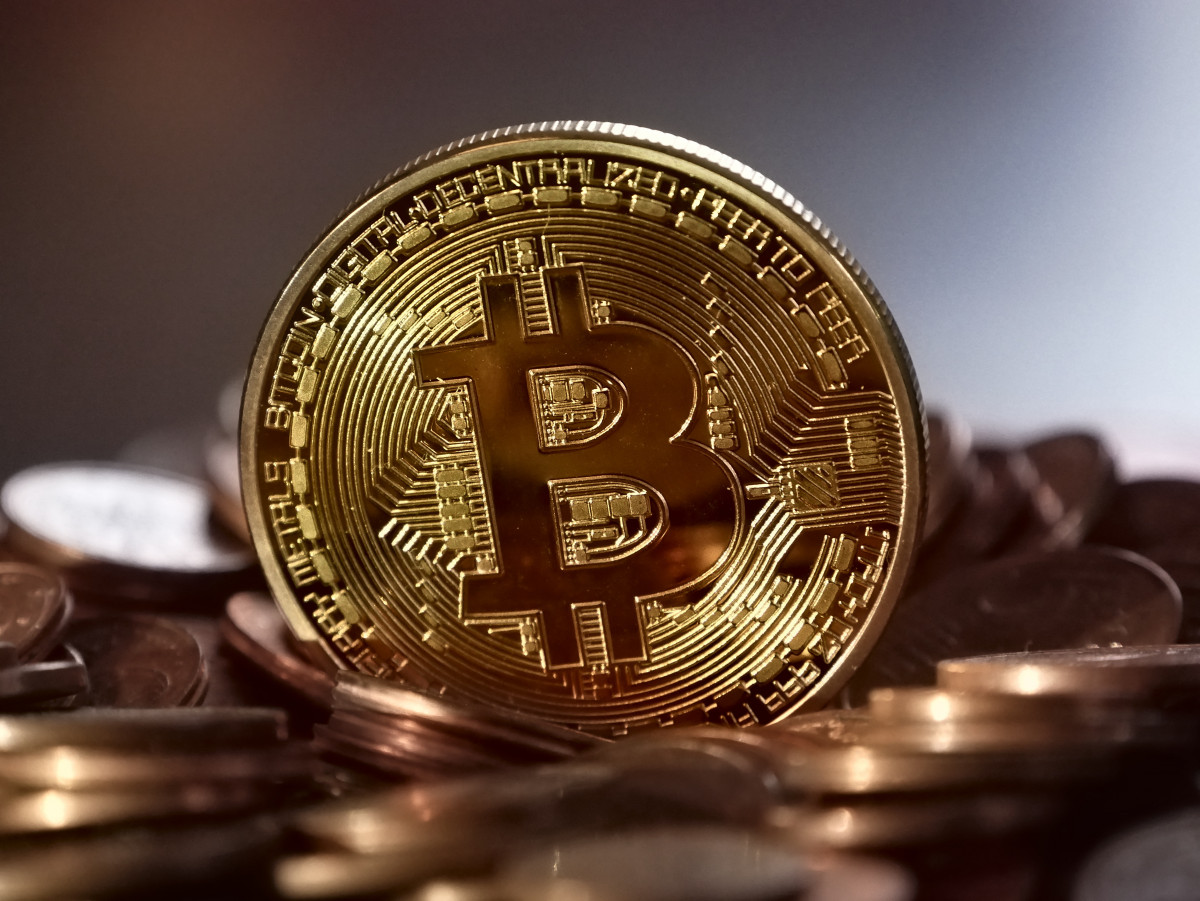
C. Crypto Example: Most cryptocurrencies, like Bitcoin (BTC) or Ether (ETH), are fungible. One BTC is always equal in value and function to any other BTC unit, making them suitable for use as currency.
Non-Fungible Assets: Unique and Distinct
A non-fungible asset is one where each unit is unique, distinct, and cannot be perfectly substituted by another unit. Their value is based on their individual characteristics, history, or metadata.
A. Art Example: The original painting “Starry Night” is non-fungible. It cannot be swapped for a different painting without a change in value and identity.
B. Property Example: A deed to a specific house is non-fungible. It represents ownership of one unique physical location and cannot be exchanged for the deed to a different house.
C. The NFT: An NFT is the digital representation of a non-fungible item. Each NFT has a unique identifier on the blockchain, making it impossible to substitute one NFT for another without changing the asset’s identity and value.
Section 2: The Technological Backbone: Smart Contracts
The entire concept of verifiable NFT ownership is made possible by the underlying structure of programmable blockchains and the smart contracts they execute.
The Contract as the Certificate
The NFT is not the image itself, which is often stored off-chain. The NFT is the metadata and the code that lives on the blockchain, acting as the verifiable certificate.
A. Unique Identifier: Each NFT smart contract assigns a unique Token ID to the asset. This identifier is what confirms the asset’s one-of-a-kind nature, distinguishing it from all other tokens on the network.
B. Metadata Pointer: The contract holds the metadata—a list of specific properties like the creator, the token name, and crucially, the link (URL) pointing to where the actual digital art file is stored (e.g., on a decentralized file system like IPFS).
C. Ownership Registry: The contract maintains an immutable, public ledger that clearly states which digital wallet address currently owns the unique Token ID, establishing verifiable proof of ownership.
ERC-721 and ERC-1155 Standards
The growth of NFTs was standardized by specific smart contract protocols, most notably on the Ethereum blockchain, which ensure compatibility and interoperability across the ecosystem.
A. ERC-721 (Non-Fungible Token Standard): This is the original and most common standard for creating unique, one-of-a-kind tokens. It is used for items like collectible artworks or unique digital properties.
B. ERC-1155 (Multi-Token Standard): This newer standard allows a single smart contract to manage both fungible tokens (for in-game currency) and non-fungible tokens (for unique in-game items or skins). It is highly efficient for large-scale games and complex collections.
C. Transfer and Enforcement: These standards define the rules for transfer—how the NFT can be bought, sold, and traded—ensuring that every transaction automatically updates the ownership record on the blockchain according to the set rules.
Section 3: The Mechanism of Ownership and Provenance

The value of an NFT is intrinsically tied to its provenance, or history of ownership, which the blockchain records in a permanent and publicly accessible manner.
Verifiable Provenance and Immutability
The blockchain ensures that the history of an NFT—from its creation (minting) to its sale history—is permanent, transparent, and absolutely verifiable by anyone.
A. Minting: The process of minting is the act of publishing the smart contract code and registering the unique digital asset onto the blockchain for the first time. This creates the official birth record and establishes the creator’s wallet address.
B. Transaction History: Every subsequent sale, gift, or transfer of the NFT is recorded as a transaction on the public ledger. This creates an unchangeable and continuous chain of ownership history, which is critical for authenticity.
C. Authenticity Guarantee: This immutable record allows a potential buyer to trace the NFT back to its original creator, verifying its authenticity and ensuring it is not a fake copy, a guarantee impossible to achieve with traditional digital files.
The Distinction Between Ownership and Copyright
It is a common misconception that buying an NFT grants the owner full copyright or intellectual property rights to the underlying asset, which is rarely the case.
A. Digital Asset Ownership: Buying an NFT generally grants ownership of the token (the certificate) and the right to sell and transfer that token. It is akin to owning a numbered print; you own the print, but not the right to reproduce the original artwork.
B. IP Rights Retention: In most cases, the original creator retains the full Intellectual Property (IP) rights and the commercial licensing rights to the underlying image, music, or video. The owner of the token may be restricted on how they can use the asset commercially.
C. Licensing in Smart Contracts: Advanced NFT contracts are beginning to integrate specific licensing terms directly into the metadata or the code itself, clearly defining what commercial rights (if any) are transferred to the token holder.
Section 4: Royalties and Secondary Market Mechanics
One of the most powerful features of NFTs, particularly for creators, is the ability to automatically enforce and receive royalties every single time the asset is resold on a secondary market.
Automated Royalty Enforcement
Smart contracts revolutionize the traditional secondary art market by guaranteeing that the original creator receives a cut of every subsequent sale of their work, long after the initial transaction.
A. Code Integration: A clause defining the royalty percentage (e.g., 5% or 10%) is permanently written into the original NFT smart contract code during the minting process.
B. Automatic Payment: When the NFT is sold on a compatible secondary marketplace (like OpenSea or Magic Eden), the sale transaction automatically splits the payment. The bulk goes to the seller, and the predetermined royalty percentage is automatically and instantly paid to the original creator’s wallet address.
C. Creator Empowerment: This mechanism empowers artists by transforming their work into a continuous revenue stream, aligning their financial incentives with the long-term appreciation and trading volume of their creations.
Secondary Marketplaces and Transactions
The transaction environment for NFTs is entirely decentralized, removing the need for a central escrow or auction house to facilitate the exchange.
A. Decentralized Escrow: The marketplace smart contract acts as a trustless escrow service. When a buyer agrees to a price, the buyer’s funds and the seller’s NFT are locked in the contract simultaneously.
B. Atomic Swap: The contract then executes an atomic swap, instantly transferring the NFT to the buyer’s wallet and the funds (minus fees and royalties) to the seller’s wallet in a single, simultaneous transaction. This eliminates the risk of one party failing to uphold their side of the agreement.
C. On-Chain Settlement: Since all transactions and ownership changes are settled directly on the public blockchain, the entire process is transparent, verifiable, and final, without any dependence on centralized server logs or databases.
Section 5: Diverse Utility: Beyond Simple JPEGs
The utility of NFTs extends far beyond digital art and collectibles. They are being rapidly adopted to represent and manage unique assets and permissions across various digital and physical domains.
A. Gaming and Virtual Worlds (Metaverse)
NFTs are the fundamental building blocks of digital economies in virtual worlds, providing verifiable ownership over in-game assets.
A. In-Game Assets: NFTs represent unique items like weapons, armor, virtual land parcels, and unique character skins. Players genuinely own these assets and can trade or sell them outside of the game’s ecosystem.
B. Play-to-Earn (P2E) Model: The inclusion of NFTs allows users to earn tangible, unique assets by playing the game, which they can then sell on an open market for real-world value, creating a new economic model for gaming.
C. Interoperability: The long-term goal is to allow a single NFT asset to be used across multiple different games or virtual platforms, enhancing its utility and perceived value.
B. Ticketing and Access Control
NFTs can replace traditional tickets and membership cards, leveraging their unique, verifiable nature to control access and manage identity.
A. Token-Gated Access: An NFT can function as a unique digital key that grants access to exclusive online communities (Discord channels), private events, or specific content, ensuring that only verified token holders can enter.
B. Fraud Prevention: Unlike traditional paper or digital tickets that can be easily counterfeited, an NFT ticket’s authenticity and ownership can be instantly and cryptographically verified on the blockchain, eliminating resale fraud.
C. Loyalty and Rewards: NFTs can be used as permanent digital badges or reward tokens that track a customer’s history with a brand, granting them unique benefits or future airdrops based on their verifiable history of ownership.
C. Real-World Asset Tokenization
The concept of using an NFT to represent fractional or full ownership of a physical asset is a powerful step towards bridging the digital and physical economies.
A. Real Estate: An NFT can represent ownership of a physical property or a fractional share in a large building. The legal deed is stored in the contract’s metadata, and the NFT provides a secure, liquid way to trade the underlying asset.
B. Luxury Goods: For items like high-end watches, designer handbags, or fine wine, an NFT can be linked to the physical item’s unique serial number. This NFT acts as the permanent digital certificate of authenticity, provenance, and ownership, reducing counterfeiting.
C. Securities and Bonds: NFTs can be used to represent tokenized securities, creating a more efficient, instant-settlement environment for trading fractional shares in companies or financial instruments.
Section 6: Risks and Future Challenges in NFT Ownership
Despite the excitement, the NFT market is highly speculative, volatile, and faces significant technical and legal challenges that require owners to approach the space with caution.
Market Volatility and Price Risk
The NFT market is extremely speculative, meaning prices can inflate rapidly based on hype and collapse just as quickly, leading to significant financial losses.
A. Liquidity Risk: Unlike major cryptocurrencies, many NFTs are highly illiquid. It can be difficult or impossible to find a buyer for a specific NFT at the desired price, meaning the asset’s value is often only theoretical.
B. Valuation Subjectivity: NFT valuation is highly subjective, based heavily on community perception, artistic merit, creator reputation, and scarcity traits. This lack of fundamental valuation metrics makes the market highly susceptible to pump-and-dump schemes.
C. Gas Fees: The cost of minting or transferring an NFT on a busy blockchain can be very high. This can sometimes make the transaction fee more expensive than the actual intrinsic value of the NFT being traded.
The “Link Rot” and Data Storage Problem
The NFT itself is usually only a small piece of data on the blockchain. The large image or video file it represents is often stored off-chain, creating a critical point of vulnerability.
A. Centralized Hosting: If the creator stores the actual image file on a simple centralized web server (a non-decentralized host), that server could go down, or the creator could simply change or delete the file, leaving the NFT certificate pointing to a broken or irrelevant link.
B. IPFS and Decentralization: Reputable projects use decentralized storage solutions like IPFS (InterPlanetary File System), which distributes the file across many nodes. While better, this still requires people to actively pin or host the file for it to remain permanently accessible.
C. Metadata Mutability: If the metadata (the pointer to the file) is not fully locked down, a malicious developer or DAO could theoretically change what the NFT points to, altering the underlying asset without the owner’s permission.
Legal and Regulatory Uncertainty
The legal definition of an NFT remains highly ambiguous, creating uncertainty around ownership rights, taxation, and intellectual property enforcement.
A. Taxation: The regulatory environment around NFT taxation is evolving and complex. Selling, trading, or even simply receiving an NFT as an airdrop may trigger taxable events, often causing confusion for owners.
B. Enforcement of IP: If an unauthorized copy of an NFT’s artwork is used commercially, the current lack of centralized legal recognition and enforcement mechanisms makes it difficult for the token owner to legally fight the infringement.
C. Securities Status: There is ongoing debate over whether certain types of NFTs—particularly those tied to revenue sharing or fractionalized ownership—should be classified as regulated securities, which would dramatically change how they can be traded and owned.
Conclusion: Verifying the Scarce Digital Future
NFT ownership is not merely a passing technological fad but a fundamental advancement in digital property rights, solving the decades-long paradox of digital scarcity. By using the immutable ledger of the blockchain, NFTs successfully transform easily replicable digital files into verifiable, unique, and valuable assets.
The core technology relies on a smart contract that acts as a secure, public, and non-replicable certificate of ownership for a unique digital asset.
The NFT standards, primarily ERC-721, guarantee a unique Token ID that distinguishes each asset from all others, ensuring its non-fungibility.
Immutability of the blockchain creates a permanent, transparent record of provenance, allowing any potential buyer to verify the asset’s entire history from its creation.
The technology empowers creators by automatically enforcing royalty payments on every single secondary market sale, creating a continuous revenue stream.
NFT utility is rapidly expanding beyond simple art, becoming the verifiable backbone for assets in gaming, ticketing, and the tokenization of real-world property.
Ultimately, the power of NFTs lies in their ability to bestow verifiable, self-sovereign ownership in an otherwise fluid digital world.